Yeast infections and herpes are two widespread health problems of the genital area. Many people often confuse the two because some of the symptoms resemble each other and feel the same way. For example, both may cause redness, itching, or discomfort in private areas. Although the causes or treatments for these conditions are very different.
Knowing the difference between a herpes and vs yeast infection is very important. If you are treating the wrong condition, your symptoms may become worse, and you want to make sure that you are doing the best thing for your own body! Understanding how yeast infections and herpes work in your body and how they can manifest themselves is very helpful.
Key Takeaways
- Yeast infections and herpes have different causes. Yeast infections are caused by an overgrowth of yeast, while genital herpes is caused by the herpes simplex virus.
- Symptoms can overlap. Itching, soreness, bumps, and changes in the skin can have several causes.
- Balanitis is inflammation of the head of the penis. Yeast, irritation, and infections including herpes are among its possible causes.
- A clinician can help identify the cause. If you have a new genital blister or sore, contact a provider and ask whether it can be examined and tested.
Yeast Infection vs Herpes: What’s the Difference?
| Yeast infection | Genital herpes | |
|---|---|---|
| Cause | An overgrowth of yeast, commonly Candida | Infection with herpes simplex virus, HSV-1 or HSV-2 |
| Possible symptoms | Itching, irritation, swelling, and sometimes discharge or changes in the skin | Tingling, itching, blisters, or sores. Some people have mild symptoms or none |
| How it’s assessed | A clinician may examine the area and recommend a sample or other testing | A clinician may examine the area and recommend a swab if a sore is present |
| Treatment | An antifungal treatment may be recommended | Antiviral medicine can help manage symptoms and outbreaks |
These symptoms can also have other causes. An examination and any recommended testing can help your provider determine the right treatment.

What is a Yeast Infection?
A yeast infection happens when there’s too much yeast (called Candida) growing in the body. An overgrowth of yeast can create discomfort, especially in warm, moist areas such as the mouth, underarms, and private areas. A yeast infection isn’t considered a sexually transmitted infection, but it can sometimes be shared between partners during sexual activity.
The most frequent kind of yeast infection affects the vaginal area. Yeast infections are very common for women, and many women will experience a vaginal yeast infection in their life. Vaginal yeast infection symptoms often include:
- Itching or burning in the vaginal area
- Redness and swelling
- Thick, white discharge from vaginal, which looks like cottage cheese
- Pain with urination or pain during sex
Men can also get yeast infections, especially if they are not circumcised or do not follow proper hygiene. For men, it may create redness, itching, or a rash on the penis and is often confused with other conditions, such as herpes in the vaginal area or region of the genitals.
Yeast infections are usually mild and somewhat uncomfortable. They can often be treated and go away quickly with the right course of treatment. It is very important to know that yeast infection blisters vs herpes, they look very different.
What is Herpes?
Herpes is an infection that comes from a virus known as the Herpes Simplex Virus, or HSV for short. There are two types of HSV: HSV-1, which causes cold sores most often around the mouth, and HSV-2, which is mainly associated with genital herpes. Both types can affect either the mouth or the genitals.
Herpes spreads through close skin-to-skin contact and can be transmitted through kissing or during sexual activity. Anyone can get herpes, even a person whose partner is asymptomatic. The virus is lifelong and can trigger flare-ups during a person’s life.
Herpes in women is very common and can cause a lot of pain because of the sores, especially in the vaginal area. Herpes sores can appear as small blisters that break open and crust over. Other symptoms include:
- A slight tingling or warm, stinging feeling often happens right before blisters start to form.
- swollen lymph nodes
- fever and body aches
- painful urination
In some cases, someone may think they have herpes in the vaginal area when it’s something else, like a yeast infection. That’s why it is good to know the distinctions. Contact professionals for urgent care for herpes test in chicago, Illinois.
Some may wonder, “Does herpes smell?” or “Does herpes stink?”— Herpetic infection usually doesn’t smell, but other infections that may happen at the same time could.
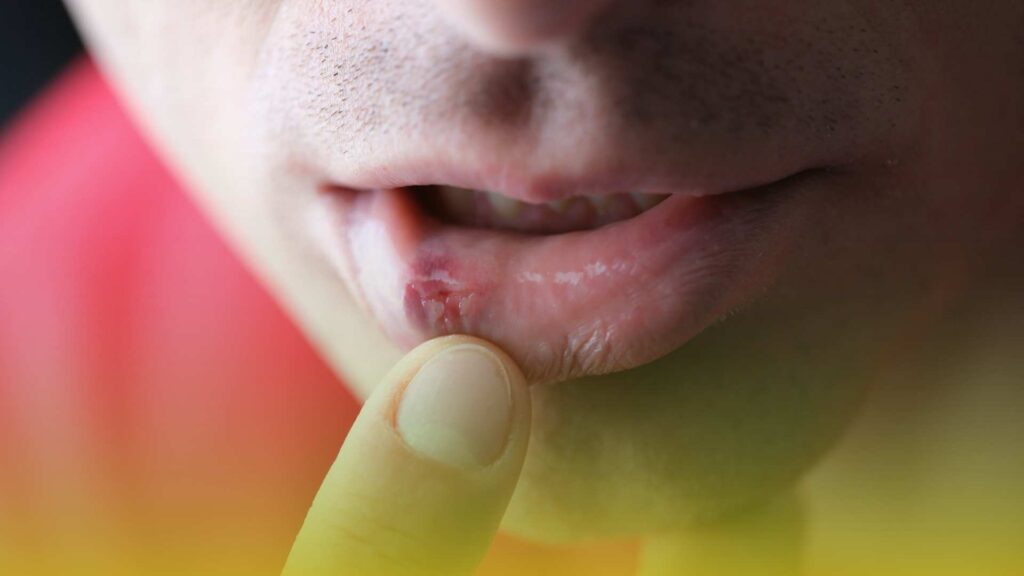
Yeast Infection Blisters vs Herpes Blisters
It is sometimes difficult for people to distinguish between yeast infection blisters and herpes. Both conditions can present in the same areas of the body, however their symptoms are very different.
Blisters are rare in yeast infections. If there are blisters, they appear mostly as a result of scratching or some sort of irritated skin. These sores is not really blisters and can appear red, raw, or a bit broken. They typically do not have much pain associated with them, and usually heal completely once the yeast infection clears.
Herpes blisters, however, are a well-known sign of the herpes virus. They will typically present as small and fluid-filled blisters, in clusters. They are usually painful and individuals may experience a burning or itchy sensation days before the blisters appear. After a short time, these blisters burst and form crusts or scabs. Healing can take 1-2 weeks.
The key differences between herpes blisters and yeast infection blisters can help you tell them apart.
- Pain level: Blisters associated with herpes are usually painful. For yeast sores, there is typically more itching than pain.
- Appearance: Blisters from herpes will be fluid-filled blisters in clusters. I-do not consider yeast-related sores to be blisters, but more patches that are red or irritated.
- Healing: Healing take longer for herpes. Yeast infections often heal quicker with treatment.

Jock Itch or Herpes? How to Tell the Difference
Jock itch is a fungal rash that causes itching and redness in sweaty areas like the groin. Jock itch usually has a clear border and spreads outward in a ring-like pattern. Herpes, by contrast can cause painful blisters or sores that break and scab over.
If you’re trying to figure out jock itch or herpes, check out the symptoms- jock itch has an itchy, patchy feel, whereas herpes is more painful like blisters. If you’re unsure, it’s best to get to a doctor for a correct diagnosis and treatment.
In Males: Balanitis versus Herpes Symptoms
Men may sometimes confuse balanitis vs herpes symptoms because both conditions affect the head of the penis and can cause pain. Balanitis often happens because of poor hygiene or skin irritation, and sometimes it’s caused by a yeast infection.
Symptoms of balanitis include redness, swelling, and itching, and it may be accompanied by a whitish, cheesy-smelling discharge. Herpes generally begins with a tingling sensation followed by painful blisters or sores.
Unlike balanitis, herpes blisters can burst open and will take considerably longer to heal than balanitis. If you develop symptoms of either condition, please ensure that you get checked out to know what is happening.
Can a Yeast Infection Cause Bumps or Blisters?
A yeast infection can irritate genital skin and may cause a rash, sores, or other skin changes. Bumps and blisters can also have other causes, including genital herpes.
Herpes sores often begin as blisters that break open, but herpes symptoms vary. Pain level, appearance, and healing time alone cannot reliably identify the cause.
If you notice a new bump, blister, or sore, contact a healthcare provider. They can examine it and discuss whether testing is appropriate.
Jock Itch or Herpes: What’s the Difference?
Jock itch is a fungal infection that can cause an itchy rash in the groin. Genital herpes is a viral infection that can cause blisters or sores.
The appearance and location of a rash can help a clinician assess it, but symptoms may overlap with other skin conditions. If you’re unsure what is causing a rash or sore, ask a healthcare provider for an evaluation.
How Are Yeast Infections and Herpes Diagnosed?
Your provider may ask when your symptoms started, whether you have had similar symptoms before, and whether you have used any treatment. They may examine the affected area and recommend a sample or swab.
If you have a visible genital blister or sore, a clinician may take a swab to test for herpes. Contact the clinic while the sore is present and ask about testing.
How Are Yeast Infections and Herpes Treated?
Treatment depends on the cause of your symptoms.
A yeast infection may be treated with antifungal medicine. The type and length of treatment depend on the location and the person’s circumstances.
Genital herpes can be managed with antiviral medicine. A clinician can discuss treatment for an outbreak and whether ongoing medicine may be appropriate.
When Should You See a Healthcare Provider?
Arrange an evaluation if you have:
- A new genital blister, sore, bump, or rash
- Itching, pain, or discharge that persists or returns
- Symptoms after a possible STI exposure
- Symptoms that have not improved after treatment
- Questions about a partner’s diagnosis or your own risk
Contact NovaMed Urgent Care to ask about an appointment and available testing.
Conclusion
It can be difficult to tell the difference between a yeast infection vs herpes infection, but knowing the key differences can help. Whether it is signs of vaginal yeast infection or a case of herpes blisters, distinguishing between what is normal and what is not is key to your health. If you are ever in doubt, do not guess; consult a qualified health provider for your safety and relief.